
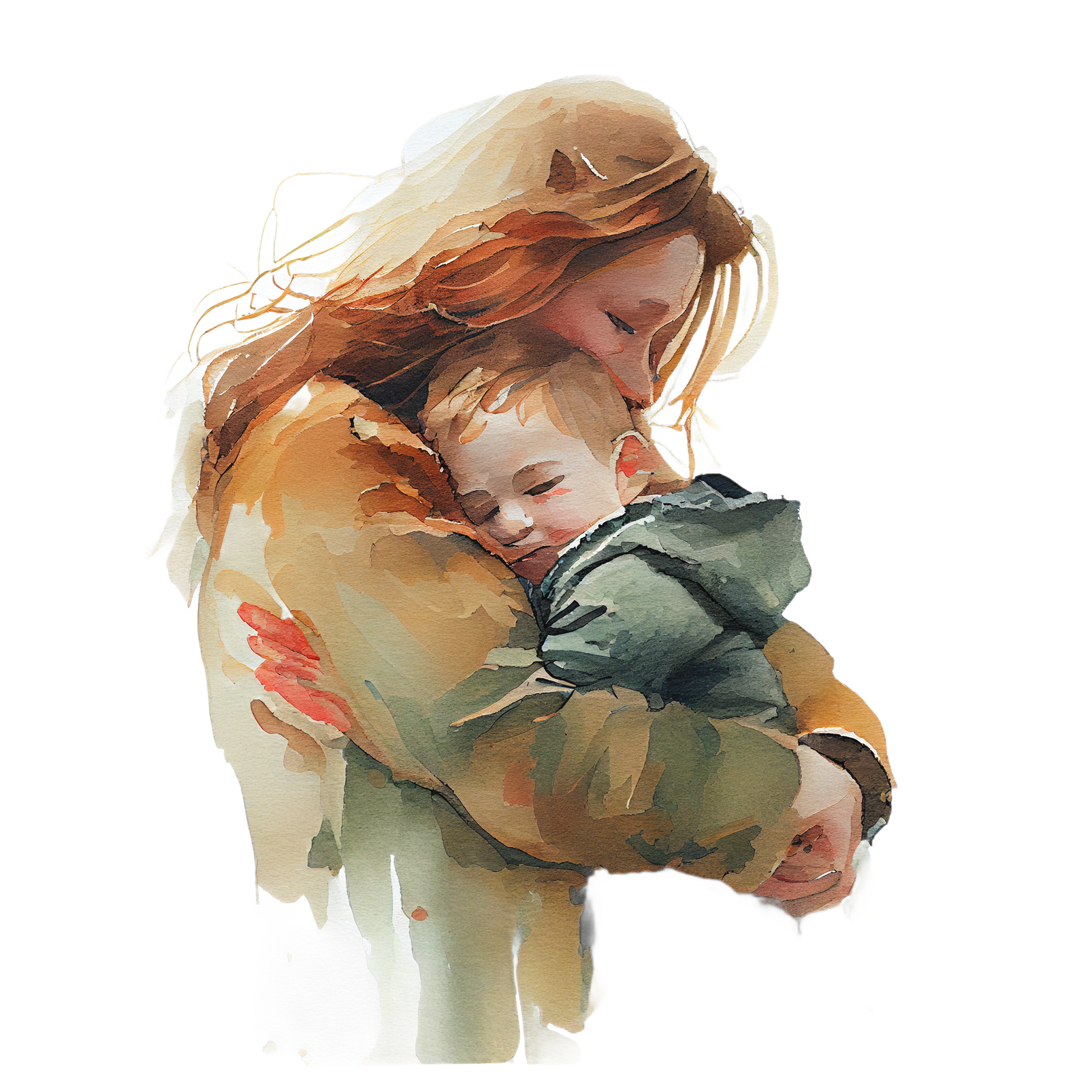
The Stories We Give Our Children
Love, Ego, and the Invisible Emotional Legacy
Author’s Reflection
These reflections come from years of observing human relationships — within families, neighbourhoods, and social spaces.
They are not written in judgement, but in hope. If they invite even a small pause, they have served their purpose.
The emotional legacy of parents is not written in words, but in daily gestures, silence, reactions, and love.
Children are not born guarded.
They do not enter the world suspicious, divided, or prejudiced.
They arrive open — curious, trusting, and instinctively ready to connect.
And yet, somewhere along the way, many begin to hesitate.
To categorise.
To fear.
To choose sides.
Most of this learning does not come from experience.
It comes from us.
Over time, I have noticed a recurring pattern. Adults pass on not only values and wisdom to their children, but also their unresolved fears, discomforts, and emotional conflicts.
This transmission is rarely intentional.
It happens in casual remarks.
In warnings that arise more from unease than from real danger.
In subtle cues about who is “safe” and who should be avoided.
Children absorb these cues effortlessly.
And they internalise far more than we imagine.
This is what psychologists describe in attachment theory — children internalise the emotional climate of their homes.
What begins as protection can slowly become control.
What starts as care can quietly turn into narrative-setting.
When adults struggle to process conflict directly — whether within families, extended relationships, or social environments — children sometimes become silent participants in dynamics that do not belong to them. They are aligned, warned, or emotionally positioned without fully understanding why.
This is not usually done with malice.
But intention does not erase impact.
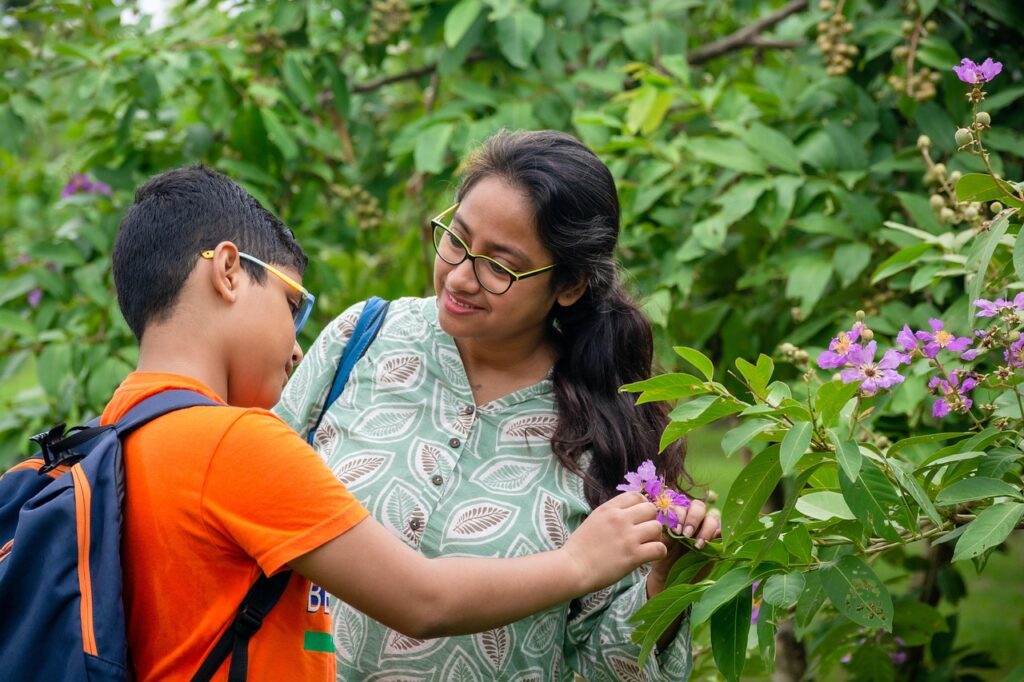
In emotionally complex systems, children can become carriers of adult emotion. They may serve as emotional buffers, loyalty markers, or subtle instruments in family politics — not by choice, but by circumstance.
When adults do not resolve tensions directly, children are sometimes recruited to hold emotional ground.
Here, ego enters quietly — not as arrogance, but as self-protection. When adults feel hurt, judged, or insecure, the instinct to control narratives increases. And children, without realising it, begin to inherit perceptions formed from someone else’s experience.
Over time, these perceptions harden into beliefs.
Parents today carry immense emotional responsibility.
To protect.
To provide.
To prevent harm.
To get it right.
In this pressure, shortcuts happen.
Fear can feel like safety.
Control can feel like care.
Restriction can feel like responsibility.
But children raised within fear-based narratives may grow into adults who struggle with trust, who scan the world for threat, who feel guarded without understanding why. Many spend years unlearning beliefs that were never formed through their own lived experience.
This is not simply upbringing.
It is emotional inheritance.
If love is truly at the centre of parenting, it must remain open from every direction. It should never be blocked, filtered, or rationed because of adult ego, fear, or unresolved conflict.
Love is not something children should receive conditionally or selectively.
When warmth or connection is restricted because of personal discomfort, children quietly learn that love is fragile — that it flows only through approved channels.
But love, in its mature form, is expansive.
Love widens a child’s world.
Ego narrows it.
Love allows children to receive kindness from wherever it comes.
Ego filters who is acceptable.
Love prepares a child for the world.
Ego prepares a child for division.
To love consciously is not to be naïve.
It is to recognise that a child’s inner world is not a resting place for adult insecurity.
What if parenting also became a journey of self-awareness?
What if, alongside guiding our children, we paused to ask:
Is this about their safety — or my discomfort?
Am I preparing them for the world — or protecting my ego?
Is my child carrying something that is mine to process?
Even a small pause before speaking can interrupt generational cycles.
Children do not need to be recruited into adult conflicts.
They need space to form their own understanding through experience.
We cannot protect them from every interaction.
But we can prepare them to meet the world with clarity rather than inherited fear.
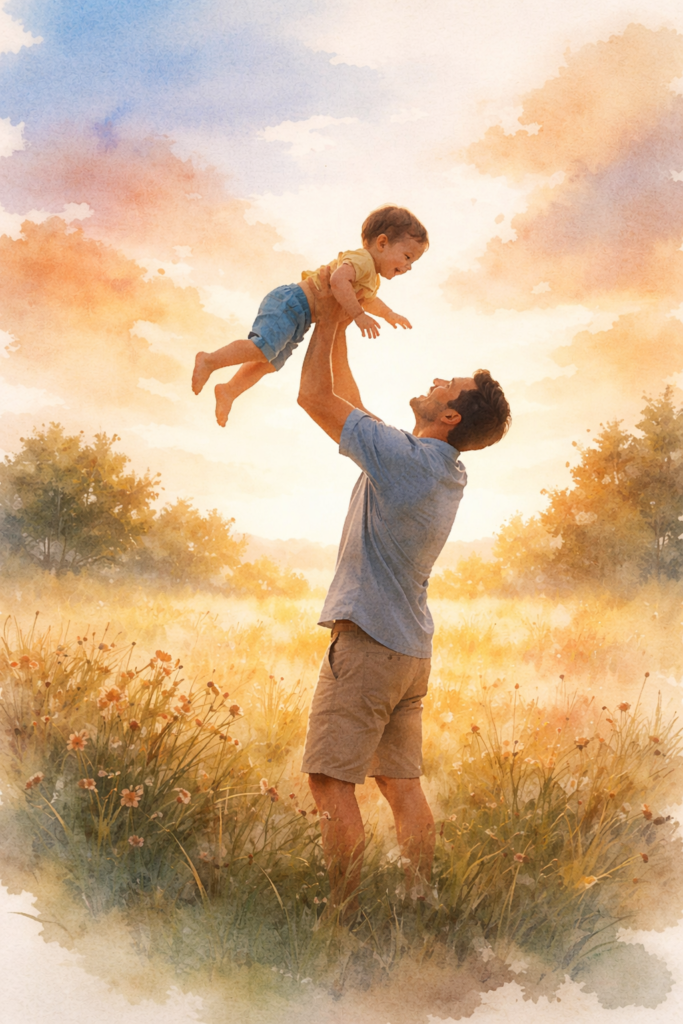
Parenthood does not demand perfection.
It invites awareness.
The world our children inherit will not be shaped only by how much we love them — but by the emotional climate we create around them.
If we can ensure that love remains open, unfiltered by ego and unrestricted by unresolved conflict, we offer children something far greater than protection.
We offer them emotional freedom.
And that freedom may be one of the most responsible gifts we can give the future.
If this reflection stayed with you, the comment space is open below.
Author‘s Note

Manju Hinduja is currently pursuing her Master’s in Psychology and writes across themes of human behaviour, emotional clarity, art, and self discovery. Her work invites readers to explore the deeper layers of everyday life.
Writer • Artist • Observer of Human Behaviour
⚖️Disclaimer
This piece reflects personal observations and lived experiences. It does not intend to generalise, represent, or define any country, community, religion, institution, or individual.
All moments are shared with respect, gratitude, and care for human dignity.
© Copyright Notice
© 2026 Manju Hinduja. All rights reserved.
Please do not reproduce the article without permission.
Short excerpts may be shared with credit and a link to the original post.