
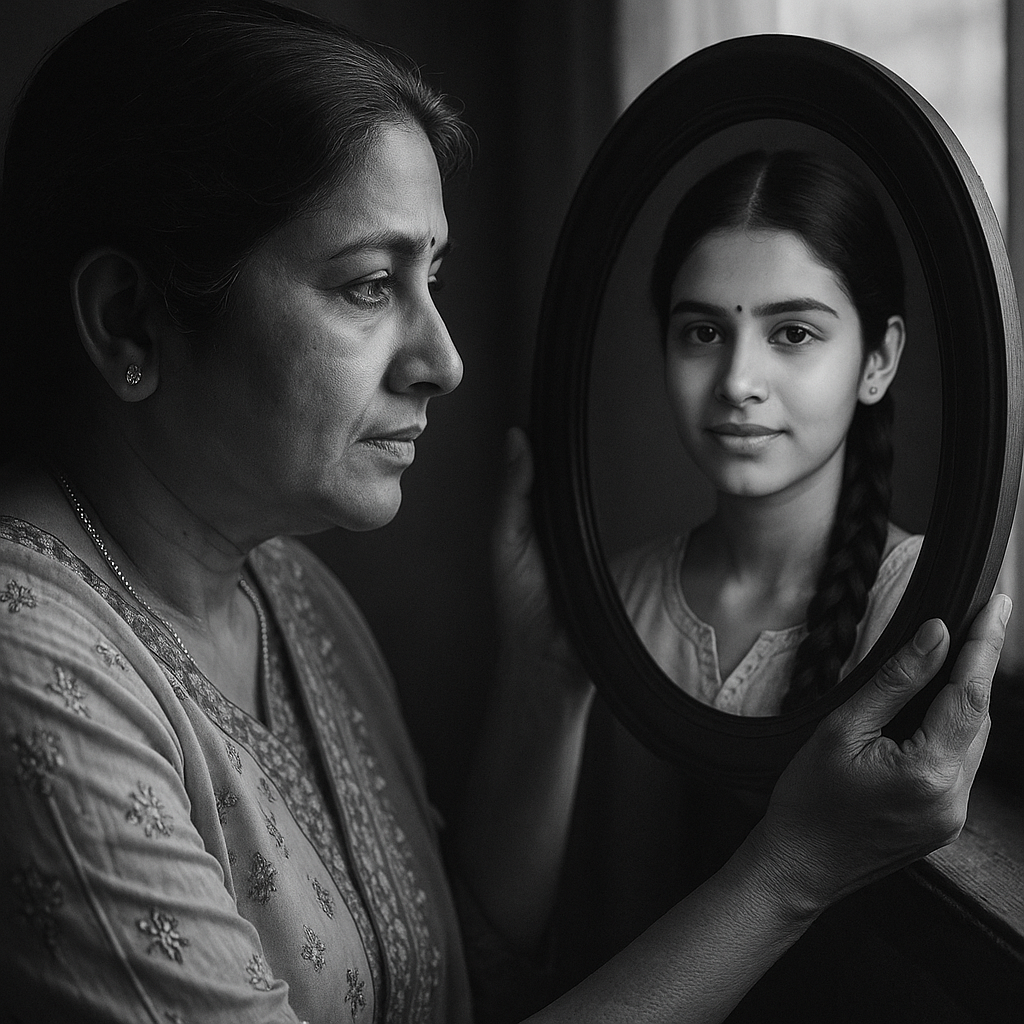
Parents Forget Adolescence — And What It Means for Today’s Teenagers
And Why Today’s Teenagers Aren’t the Real Problem
Every generation thinks the next one is a disaster —
but maybe the mirror is pointed the wrong way.
Recently, after a yoga session, our teacher casually asked us to sit and chat.
As soon as the conversation settled, it took the usual turn — teenagers.
The mothers in the circle spoke about how kids today are “too smart,” “too bold,” “too informed,” and “too difficult to control.”
Someone sighed, “They know everything by the age of twelve now.”
Another said, “Technology has spoiled them. We can’t handle them anymore.”
I listened.
And then a simple thought came to me, so I asked:
“We’ve all gone through adolescence.
We’ve felt everything our children feel today.
So why is it suddenly so hard to understand them?”
The silence that followed said more than any answer could.
Finally someone muttered, “Because kids mature too early. There’s too much information now.”
Maybe.
But something about that explanation felt too convenient.
We Were All Teenagers Once — So Why Do We Forget That?
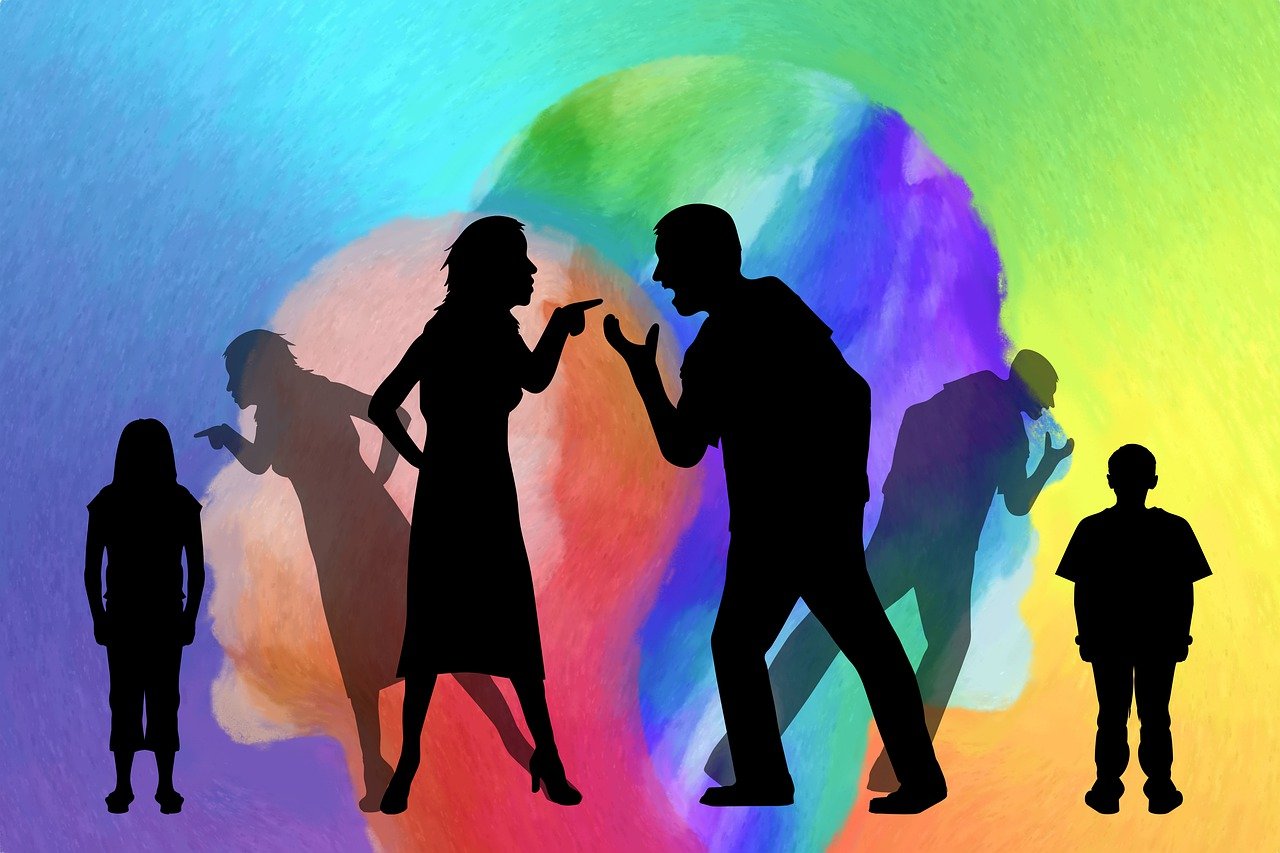
Every parent has lived through the same storms their children face:
Wanting freedom.
Wanting privacy.
Wanting to be understood.
Feeling confused.
Feeling curious.
Testing limits.
Wanting to grow faster than the world allows.
None of this is new.
None of this is a “2025 problem.”
But as adults, memories become selective.
We remember the discipline we showed — not the rebellion we hid.
We remember the innocence — not the curiosity behind it.
We remember the rules — not the ways we quietly challenged them.
Adolescence didn’t become more complicated.
Adults simply drifted far away from their own.
The Real Issue: Parents Don’t Look Within

It’s easier to blame teenagers or technology than it is to look inward.
Because looking inward brings up:
- the guilt we never spoke about
- the secrecy of our own teenage years
- the fears we carried silently
- the confusion we never resolved
- the mistakes we still judge ourselves for
- the shame we buried under “grown-up life”
When parents forget adolescence, they also forget how confusing and emotional those years felt. So when children enter adolescence, it stirs old emotions in adults — emotions they haven’t touched in decades.
Instead of saying,
“I know this place. I’ve been here before,”
the mind panics and thinks,
“How do I stop my child from going through what I went through?”
That isn’t guidance.
That’s fear wearing the mask of parenting.
Let’s Be Honest: Technology Didn’t Create This Problem
Here’s the truth few want to say aloud:
Technology didn’t make kids difficult.
It just made everything visible.
In our days, we also had curiosity, interest, temptation, confusion — we just didn’t have phones recording it or social media broadcasting it.
Today’s teens are not “worse.”
Their world is simply more transparent.
And transparency makes adults uncomfortable, especially in India where parenting often happens under the watchful eyes of:
- relatives
- neighbours
- society
- the legendary “log kya kahenge”
When everyone is watching, blaming technology becomes the safest excuse.
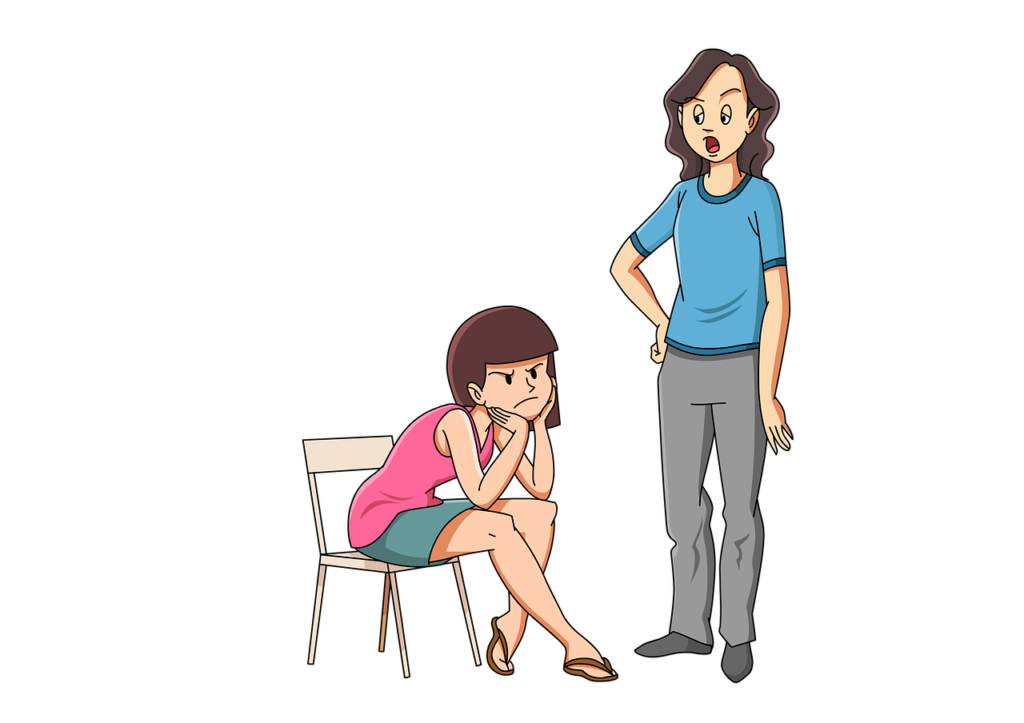
Why Self-Awareness Matters More Than Control
Indian parents are trained to provide, discipline, protect, and worry.
But nobody teaches them how to:
- process their own emotions
- handle their inner fears
- communicate honestly
- set boundaries without panic
- reflect on their adolescence
- handle discomfort
- see their child as a separate individual
So when their teenager behaves “like a teenager,” parents often feel threatened — not by the child, but by their own unresolved past.
This is why self-awareness matters.
Not textbook psychology.
Not theory.
Not complicated concepts.
Just simple clarity.
Sometimes that clarity comes from honest reflection.
Sometimes from talking to a friend.
And sometimes, yes, from therapy — not because something is wrong, but because understanding yourself is the most powerful thing you can offer your child.
Kids don’t need flawless parents.
They need parents who understand themselves.
So What Can Parents Actually Do?
Not control.
Not panic.
Not compare generations.
Instead:
1. Remember their own teenage years honestly.
Not the edited version — the real one.
2. Accept that information coming earlier doesn’t make children “bad.”
It just means the world moves faster.
3. Talk more, fear less.
Teenagers respond better to honesty than lectures.
4. Allow their child to be human.
Curious, confused, imperfect — exactly like we once were.
5. Work on themselves if needed.
A grounded parent creates a grounded child.
When parents do this inner work, the “teenage problem” softens.
It becomes a connection problem — and connection can always be rebuilt.
The Truth Nobody Says Out Loud
Adolescence has not changed.
Human emotions have not changed.
Only adults have changed their distance from themselves.
Blaming technology is easy.
Facing your own discomfort is harder.
But that inner honesty is what makes all the difference.
Because only someone who remembers their own adolescence
can truly guide another through it.
A Final Thought

Before trying to shape a teenager,
maybe we should understand the adult doing the shaping.
Because guiding a teenager is not about controlling their journey —
it’s about remembering our own.
And sometimes the bravest thing a parent can say is:
“Let me understand myself first.”
Join the conversation
Your thoughts matter.
If this reflection stirred something in you, I would love to hear it.
Share your experiences, your questions, or even your disagreements — meaningful discussions begin when we open the door to honesty.
Let’s talk in the comments below.
You can explore more reflections like this under my Mind Tools section.
AUTHOR’S NOTE

This piece comes from observation, reflection, and my own journey of revisiting adolescence as an adult learner of psychology. I write not as an expert but as someone exploring human nature with curiosity and honesty. These thoughts are shared with respect for every parent navigating the complex yet beautiful world of raising teenagers.
DISCLAIMER
This blog reflects personal observations and opinions based on lived experiences and general psychological understanding. It is not professional mental health advice or a substitute for counselling or therapy. Readers are encouraged to interpret the content thoughtfully and seek professional guidance where needed.
COPYRIGHT NOTICE
© Manju Hinduja, 2025.
All rights reserved.
No part of this blog may be reproduced, distributed, or transmitted in any form without prior written permission from the author.
Image Credits:
- Hero Image: AI-generated by ChatGPT for this blog
- Supporting Images: Sourced from free image libraries (Pixabay / Pexels) under their respective free-to-use licenses.
- All illustrative images are for visual representation only; no real individuals, relationships, or families are depicted.